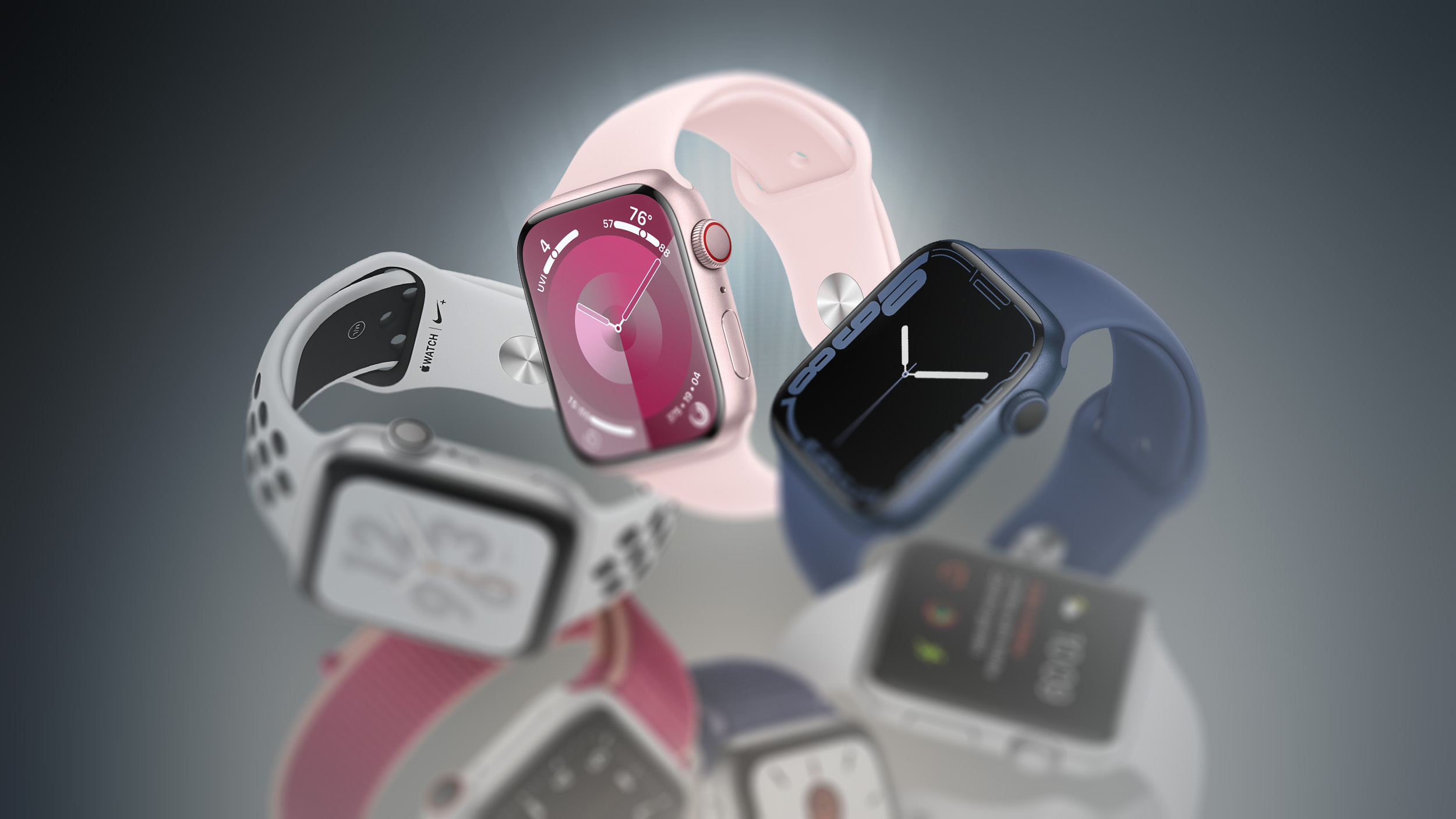
Upgrading From an Older Apple Watch? Here’s How the New Features Stack Up
The Apple Watch has received some incremental updates in recent years, with significant upgrades becoming fewer and farther between as the device has progressed. Since the Apple Watch’s generation-over-generation enhancements are relatively small, it is all the more important to consider when an upgrade is justified and whether an older model could suffice for your needs.
The Apple Watch Series 12 brings a more substantial set of changes than the Series 11, which was one of the smallest refreshes in the device’s history. While Apple has discontinued previous Series models, older watches may still be available at lower prices from third-party retailers or secondhand.
Read on to see the breakdown below for each new feature, change, and improvement that was added with each Apple Watch model compared to its direct predecessor. Viewing each generation’s changes in this way helps weigh up the accumulative upgrades one receives by skipping multiple generations when buying a new device, as well as get a sense of which generations offered the biggest overall upgrades.
Apple Watch Series 12 (2026)
S11 chip (based on A20 Pro)
4GB of RAM
New Health Sensing System
Second-generation electrical heart sensor
Fourth-generation, always-on optical heart sensor
Background heart rate measurements every five seconds throughout the day
Heart rate variability measured up to 24x more often
Recovery HRV metric
Readiness app
Daytime view in the Vitals app
More accurate step tracking
Steps and real-time heart rate watch face complications
Audio Intelligence with Sound Recognition and automatic Shazam detection
Live Rewind and Siri Recap
Ceramic Shield 2 front glass, 60% tougher than Series 11’s Ion-X glass (aluminum models only)
Aluminum or titanium and zirconia back replaces metal and sapphire crystal back
Up to 10 hours of outdoor workout tracking (25% longer than Series 11)
15 minutes of charging provides up to 12 hours of normal use (up from eight hours)
Five minutes of charging provides up to 10 hours of sleep tracking (up from eight hours)
Aluminum and titanium cases are 1mm wider and around two grams heavier
Slightly larger bezels and display area is approximately 2% smaller despite unchanged screen resolutions
Ceramic case option introduced in Pearl White and Night Blue, with slightly larger dimensions than aluminum and titanium models
Dark Bronze, Light Gold, and Black aluminum finishes replace Silver, Rose Gold, and Jet Black; Space Gray remains available
Radiant Gold titanium replaces Gold and Slate; Natural titanium remains available
Apple Watch Series 11 (2025)
2x more scratch-resistant Ion-X glass (aluminum models only)
5G connectivity (cellular models only)
7–10% larger battery
Space Gray aluminum option reintroduced
Apple Watch Series 10 (2024)
Refined design with a thinner casing, display with more rounded edges and a wider aspect ratio, and front glass that extends further over the sides for a higher screen-to-body ratio
42mm and 46mm case sizes
Larger displays
LTPO3 display for faster refresh rate in always-on mode, enabling a live ticking seconds hand on select watch faces
Wide-angle OLED (up to 40% brighter when viewed at an angle)
S10 chip (same CPU as S9, but more compact)
Water temperature sensor
Depth app and Depth gauge to 6m
Microphone with voice isolation
Redesigned speaker with media playback
Metal back with larger charging coil and integrated antenna
Faster charging (0–80% in about 30 minutes)
Titanium casing replaces stainless steel option, now in Silver (matches previous stainless steel casing, Apple Watch Hermès only), Gold, Slate, and Natural
Starlight, Midnight, Pink, and (PRODUCT)RED finishes discontinued, replaced with Silver, Rose Gold, and polished Jet Black finishes
Apple Watch Series 9 (2023)
Retina display with up to 2,000 nits of brightness
Display can get dimmer in dark rooms and at night (down to 1 nit of brightness)
Double tap gesture
Wrist flick gesture
Sleep apnea detection
Hypertension detection
S9 chip (based on A15 Bionic)
2GB of RAM
4-core Neural Engine (2x faster than Series 8)
Siri processed on-device for requests that do not need information from the internet
Siri can access health and fitness data
25% more accurate dictation
Second-generation Ultra Wideband chip
Precision Finding for iPhone 15 models
HomePod proximity integration
64GB storage
Pink aluminum casing introduced
Apple Watch Series 8 (2022)
S8 chip (same CPU as S6)
More powerful gyroscope and high dynamic range accelerometer
Crash Detection
Body temperature sensor
Wrist temperature sensing during sleepmem
Cycle tracking with retrospective ovulation estimates
Blue and Green aluminum casings discontinued, Silver aluminum reintroduced
Apple Watch Edition discontinued
Apple Watch Series 7 (2021)
41mm and 45mm case sizes
1.7mm display borders for almost 20% more screen area than Series 6
QWERTY keyboard
Up to 70% brighter display than Series 6 indoors when wrist is down
S7 chip (Same CPU as S6)
Crack-resistant front crystal (50% thicker)
IP6X dust resistance
Fast charging for up to 80% charge in about 45 minutes (33% faster than Series 6)
Silver and Space Gray aluminum casings discontinued, Midnight, Starlight, and Green introduced
Apple Watch Series 6 (2020)
Up to 2.5x brighter always-on display
Access Notification Center, Control Center, and Complications when display is asleep
S6 chip (based on A13 Bionic, 20% faster than S5)
1.5GB of RAM
Always-on altimeter
First-generation Ultra Wideband chip
2.4GHz and 5GHz Wi-Fi
Blood oxygen sensor
Faster charging for a full charge in under 1.5 hours
Improved battery life for tracking certain workouts, such as indoor and outdoor runs
Blue and (PRODUCT)RED aluminum casing options introduced
Space Black stainless steel casing available with Apple Watch Hermès only, Graphite option introduced
Ceramic Apple Watch Edition discontinued
Apple Watch Series 5 (2019)
Always-on Retina display
Force Touch removed
S5 chip
Compass
32GB storage
Apple Watch Edition reintroduced with White Ceramic, Natural Titanium, and Space Black Titanium casing options
Apple Watch Series 4 (2018)
40mm and 44mm case sizes
Over 30% larger display with curved corners
3.0mm display borders
S4 chip (2x faster than S3)
Gyroscope and accelerometer
Barometric altimeter
Fall detection
2.4GHz Wi-Fi
Optical heart sensor and electrical heart sensor for ECG
16GB storage
Digital Crown with haptic feedback
50% louder speaker
Relocated microphone for reduced echo and better sound quality
Faster charging for a full charge in 1.5 hours
Gold stainless steel casing introduced
Apple Watch Edition discontinued
Apple Watch Series 3 (2017)
S3 chip (70% faster than S2)
Barometric altimeter
Bluetooth 4.2
Siri able to speak through the onboard speaker
LTE cellular model available with red Digital Crown
Rose Gold aluminum casing discontinued
Gray Ceramic Apple Watch Edition model introduced
Apple Watch Series 2 (2016)
Retina display with up to 1,000 nits of brightness (2x brighter than previous generation)
S2 chip (dual‑core)
1GB of RAM
GPS and GLONASS receiver
Water resistant up to 50 meters
Gold and Rose Gold aluminum casing options added
18K Gold and Rose Gold Apple Watch Edition discontinued, Ceramic model introduced in White
Apple Watch Nike+ variant introduced
The Series 12 has a stronger case than the Series 11 as an upgrade in general, but most Series 11 owners still have little reason to get a new device. Its new heart sensors, more frequent HRV measurements, Readiness app, and longer workout battery life matter most if you rely on your Apple Watch for training and recovery insights. Sound Recognition may also appeal to deaf or hard of hearing users, while the ceramic case offers a finish unavailable with the Series 11.
Upgrading from a Series 10 brings these changes alongside the Series 11’s 5G connectivity on cellular models and longer rated everyday battery life. From a Series 9, you would also gain the thinner Series 10 design, larger display, depth gauge, and water temperature sensor.
The cumulative upgrades become more compelling for Series 8 users and older, particularly if battery wear is affecting daily use. Series 7 owners gain Crash Detection and temperature sensing as well as the newer design and Series 12 health features. The biggest differences will be felt by those with a Series 6 or older, though the condition of your current watch and the cost of replacing it still matter.
watchOS 27 supports Series 9 and later, leaving the Series 8 and older without the latest major software release. That does not mean they will immediately stop working or receiving all security updates, but they are now considered old devices. If you are shopping for a replacement, a discounted or secondhand Series 11 may offer better value if you do not need the Series 12’s health features, providing you can find it at a sufficiently low price. watchOS 26 is not supported by the Series 5 or older, so anyone with one of these devices should definitely consider upgrading soon.
Looking to the future, it looks like next year’s Apple Watch Series 13 could offer some major upgrades including a redesign and new sensors. This could make it a great upgrade for those with a Series 11 or older. Related Roundup: Apple Watch 12Buyer’s Guide: Apple Watch (Buy Now)Related Forum: Apple WatchThis article, “Upgrading From an Older Apple Watch? Here’s How the New Features Stack Up” first appeared on MacRumors.comDiscuss this article in our forumsMacRumors: Mac News and Rumors – Front PageRead More